

Cimenterie McInnis
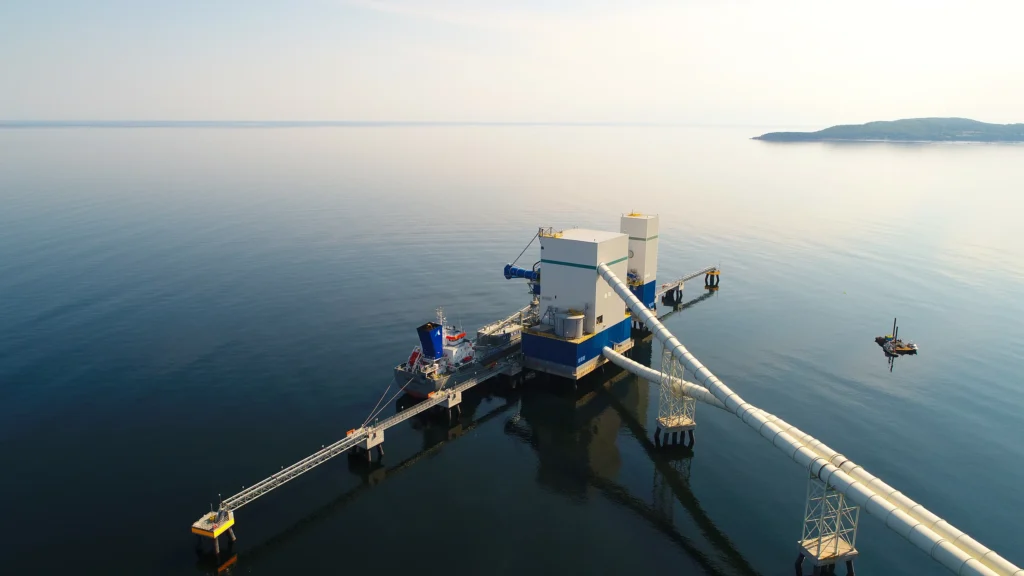
L'usine de ciment McInnis est située sur la rive sud de la péninsule de Gaspé, où les eaux de la baie des Chaleurs gèlent rarement et où les navires transportent des produits toute l'année. Ce n'est pas un hasard : c'est la raison même pour laquelle l'usine a été implantée à cet endroit.
Depuis Port-Daniel-Gascons, l'usine relie le réseau de St Marys Cement à l'est du Canada et au nord-est des États-Unis, desservant des clients dans une région que les anciennes installations, enclavées, ne pouvaient pas atteindre aussi efficacement. Le terminal maritime en eau profonde sur le site confère à cette installation une portée de distribution véritablement unique au sein de notre réseau.
Notre histoire
L'usine a été inaugurée en 2017, ce qui en fait l'une des plus récentes installations de St Marys Cement. En 2019, St Marys Cement a acquis l'usine et l'a intégrée au groupe VCNA. Depuis cette intégration, nous avons continué d'investir pour améliorer la productivité, l'efficacité et la performance environnementale.
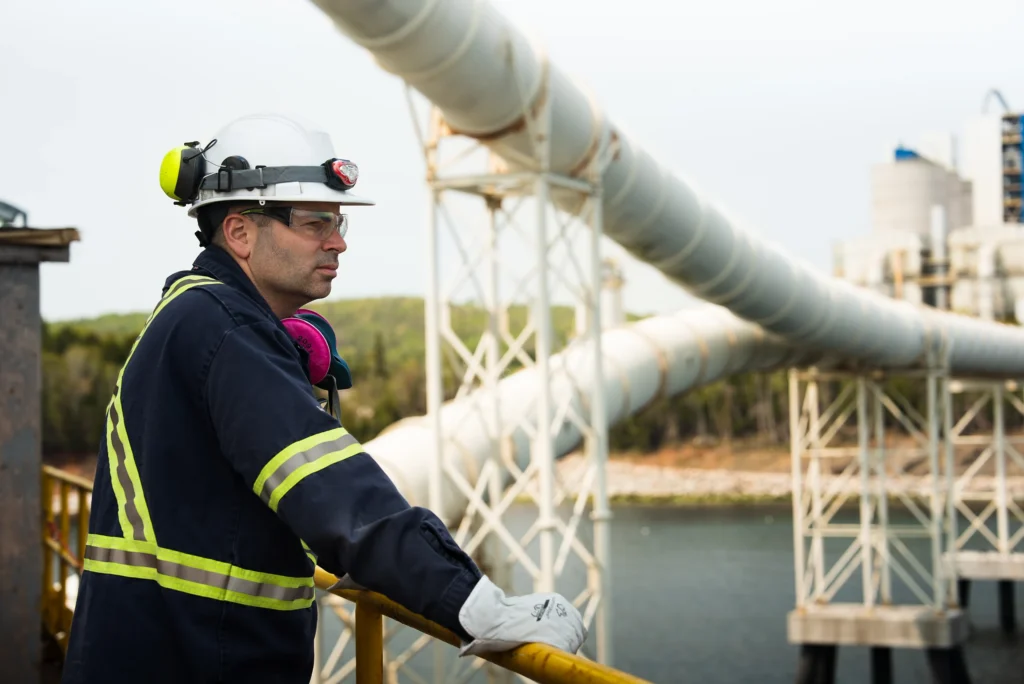
Aujourd'hui, l'usine emploie directement plus de 200 personnes et fait travailler jusqu'à 1 000 sous-traitants, ce qui en fait l'un des plus importants employeurs privés de la région de la Gaspésie. Cette forte empreinte économique témoigne des résultats durables que ce réseau vise : des investissements qui continuent de porter leurs fruits bien après la fin d'un contrat de construction.
Rapports
L'usine McInnis publie des déclarations environnementales de produit (DEP) spécifiques à l'usine, établies selon les normes internationales reconnues. Ces documents fournissent des données vérifiées et évaluées par un organisme tiers sur le profil environnemental de nos produits cimentiers, de l'extraction des matières premières à la fabrication. Pour toute question relative à la documentation technique ou à l'application des produits, notre équipe est à votre disposition.
Relations communautaires
Port-Daniel-Gascons est une communauté côtière située en région rurale. L'activité économique de cette usine, qui génère plus de 200 emplois directs et jusqu'à 1 000 emplois indirects pour des sous-traitants, influence profondément la vie quotidienne locale, bien au-delà des limites de l'usine.
St Marys Cement entretient des relations étroites avec la communauté et les parties prenantes, notamment par le biais d'un comité dédié composé de représentants des Premières Nations, par l'intermédiaire du Secrétariat Mi'gmawei Mawiomi. Ces relations témoignent d'un engagement envers la prospérité à long terme de la région et d'une conviction que le dialogue ouvert est essentiel à toute action menée au sein d'une communauté.

Initiative pour des carburants à faible teneur en carbone
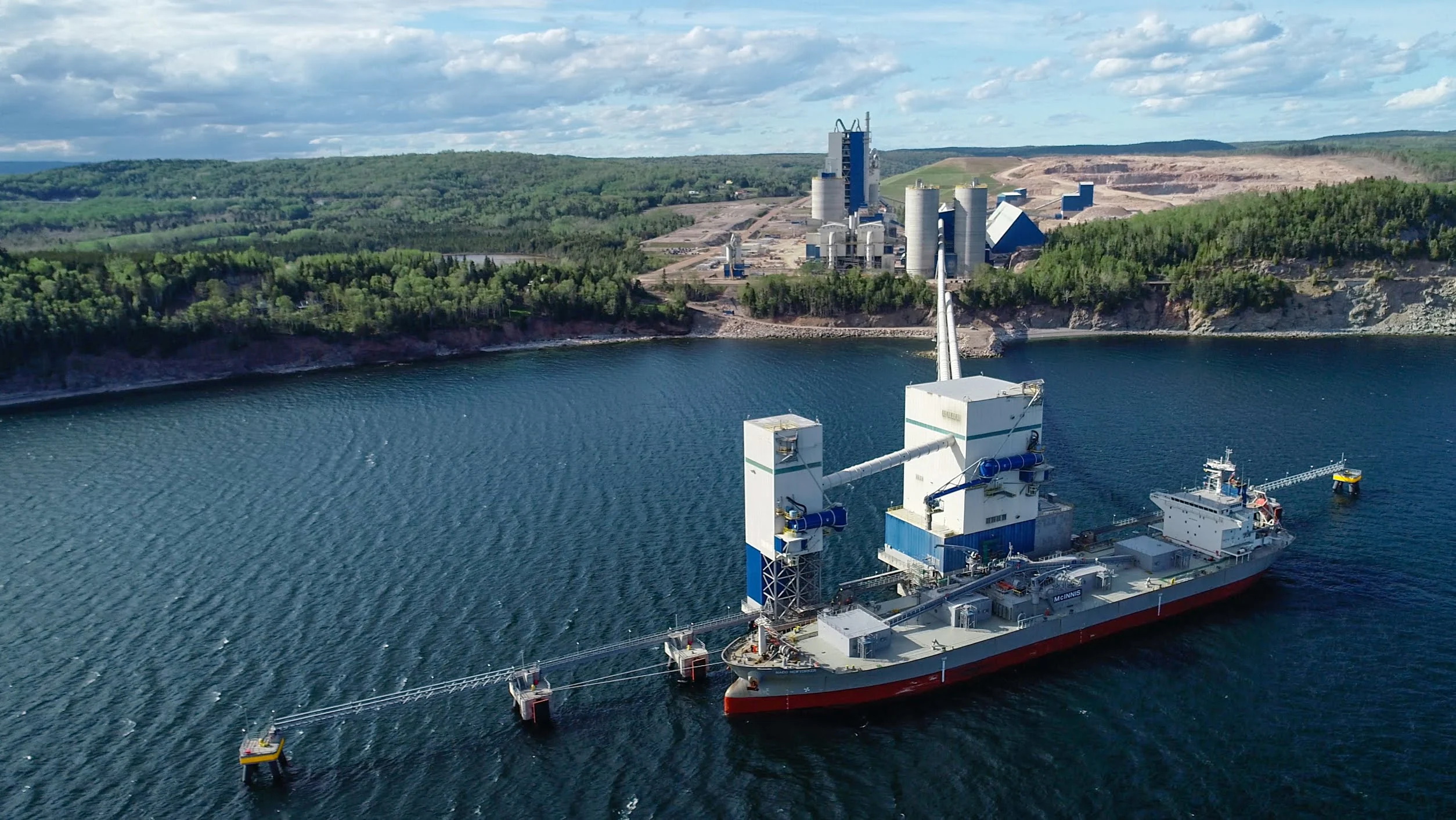
L'usine s'efforce également de remplacer une partie du charbon et du coke de pétrole par de l'énergie récupérée à partir de sous-produits industriels non recyclables grâce à un procédé de co-traitement réglementé. Ces matériaux sont traités dans le respect de normes environnementales strictes, et leur énergie intrinsèque est captée dans le four, réduisant ainsi les émissions de CO₂ à la source.
Des déclarations environnementales de produits sont publiées pour cette usine, fournissant des données vérifiées à chaque équipe de projet qui utilise nos produits. « Apprendre et évoluer » est la norme selon laquelle chaque usine de ce réseau mesure ses progrès.
 United Materials
 Superior Materials
 Prairie Materials
 Matériaux de construction Canada
 VC Global