

Notre initiative sur les carburants alternatifs à faible teneur en carbone
Le ciment est essentiel à la vie moderne, mais sa production est énergivore et, depuis des générations, cette énergie provient du charbon et du coke de pétrole. Au sein de notre réseau, les carburants alternatifs à faible teneur en carbone (CAFC) contribuent à changer la donne de manière documentée, réglementée et mesurable.
Grâce au co-traitement, nos usines récupèrent l'énergie et les minéraux contenus dans des sous-produits industriels non dangereux et non recyclables qui, autrement, seraient mis en décharge. Il en résulte une réduction de la dépendance aux combustibles fossiles et, par conséquent, une réduction des émissions de dioxyde de carbone (CO2) à la source.
Chaque usine du réseau s'engage, à son propre rythme et selon ses propres autorisations réglementaires, à réduire sa production de clinker en carbone, et à rendre compte publiquement de ses progrès. Le principe « Agir avec responsabilité » de notre approche en matière de capital-risque nous rend responsables de nos résultats, et non de nos intentions.
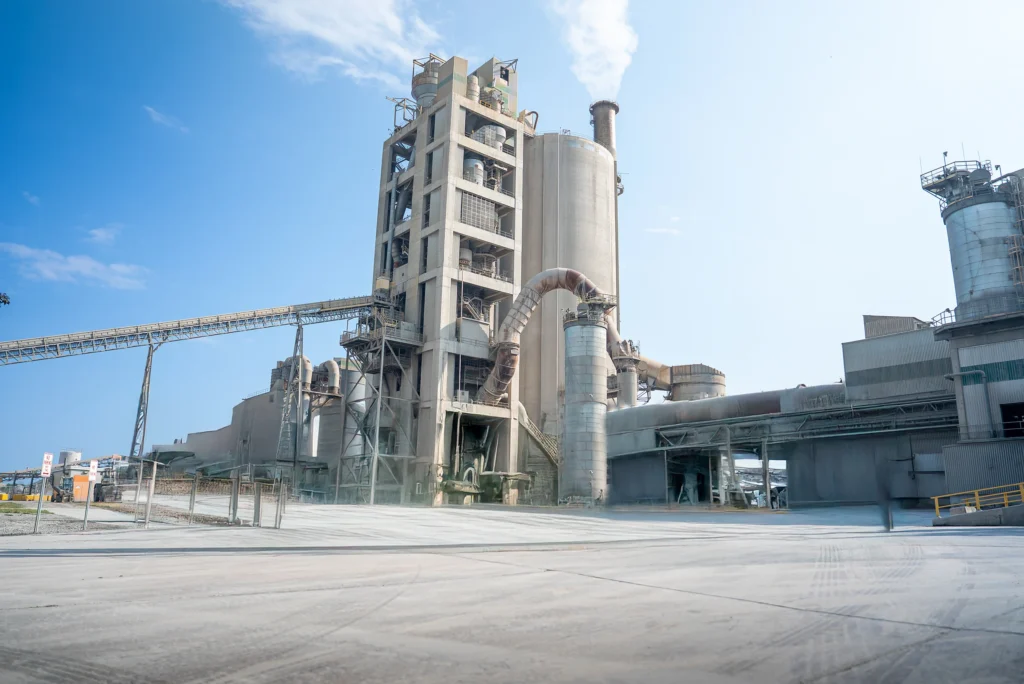
Cimenterie de Bowmanville
L'usine de Bowmanville remplace une partie de son charbon et de son coke de pétrole par de l'énergie récupérée à partir de sous-produits industriels non recyclables grâce à un co-traitement réglementé, en vertu des approbations de conformité environnementale (ACE) délivrées par la province de l'Ontario.
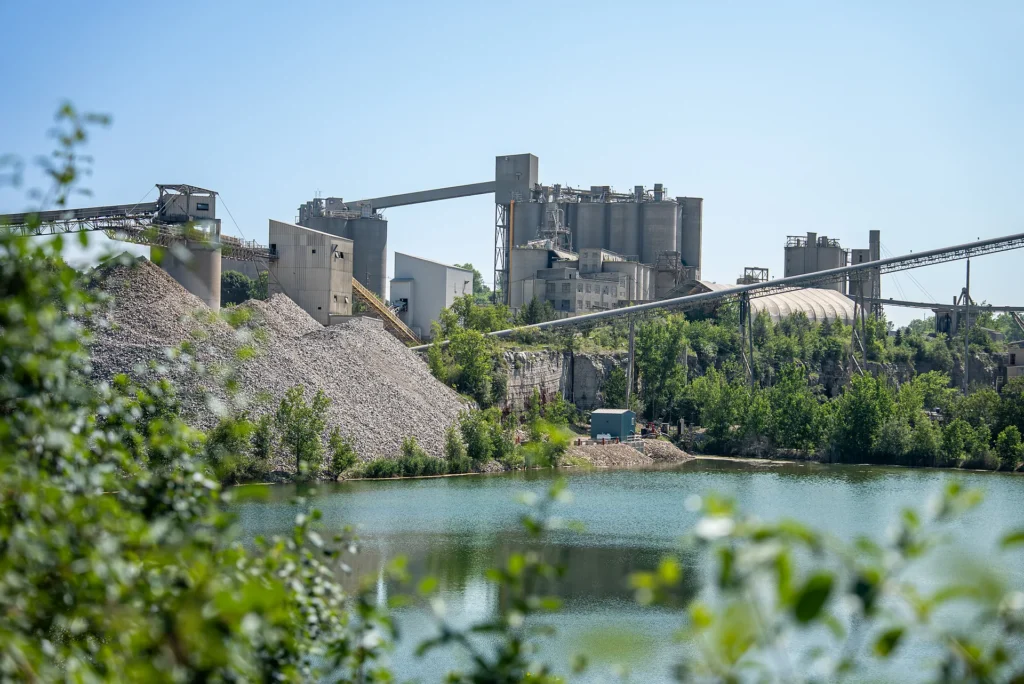
Usine de ciment de St Marys
L'usine de St. Marys a commencé à utiliser des combustibles alternatifs à faible teneur en carbone en mai 2024. Elle a transformé 1 727 tonnes de bois et 29 235 tonnes de plastique en combustibles alternatifs, des matériaux détournés des sites d'enfouissement et récupérés grâce à un processus de co-traitement réglementé. Le plastique à lui seul représente l'équivalent de la quantité de plastique jetée annuellement par 278 429 Canadiens, selon les données de Statistique Canada de 2019, qui indiquent une consommation de 105 kilogrammes par habitant.
L'usine a également obtenu la certification ENERGY STAR pour l'industrie de Ressources naturelles Canada en 2024, la plaçant ainsi parmi les 25 % des centrales les plus performantes en matière d'énergie au Canada et aux États-Unis. Après la mise en service du système de carburants alternatifs, l'équipe a identifié et corrigé la consommation d'énergie à l'arrêt, ce qui a permis de récupérer environ 540 000 kilowattheures et de réaliser des économies annuelles de 1 045 200 $. Les progrès sont présentés lors de chaque réunion trimestrielle du Comité de liaison communautaire (CLC) et publiés sur la page Web du CLC de l'usine.
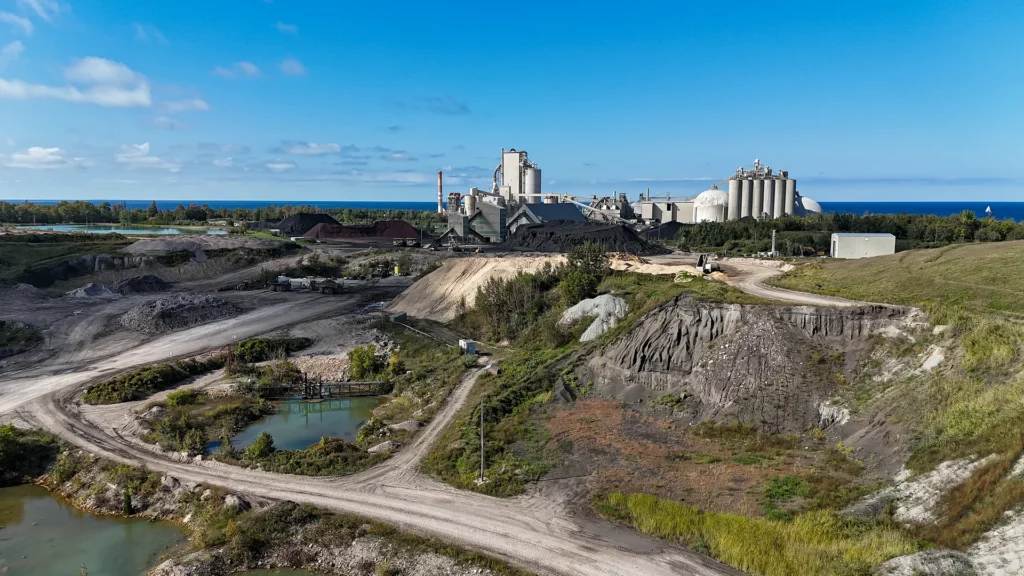
Cimenterie de Charlevoix
Charlevoix est un chef de file du réseau St Marys Cement en matière d'adoption de combustibles alternatifs. Environ 40 % de l'énergie consommée par les fours de l'usine provient désormais de sources alternatives plutôt que du charbon ou du coke de pétrole, grâce au co-traitement réglementé de sous-produits industriels non dangereux et non recyclables, traités dans le respect de normes environnementales strictes.
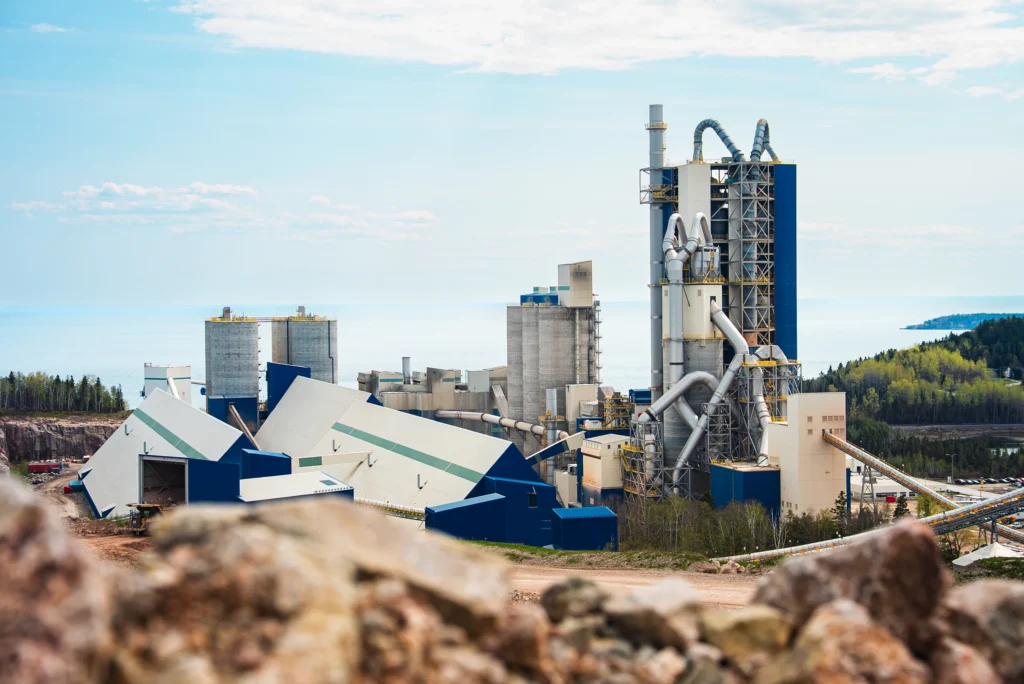
Cimenterie McInnis
L'usine McInnis utilise le co-traitement de sous-produits industriels non recyclables en remplacement d'une partie des combustibles fossiles traditionnels, récupérant ainsi leur énergie et leurs minéraux dans le four et évitant la mise en décharge de ces matériaux. L'usine a également achevé sa transition complète au ciment Portland calcaire (PLC) pour l'ensemble de sa gamme de produits, réduisant ainsi l'intensité carbone de sa production, indépendamment du programme de combustibles.
Cimenterie de Badger
L'usine de broyage de ciment Badger Slag utilise du gaz naturel pour son fonctionnement, car il a un potentiel de réchauffement climatique plus faible que d'autres combustibles fossiles traditionnels comme le pétrole et le charbon.
 United Materials
 Superior Materials
 Prairie Materials
 Matériaux de construction Canada
 VC Global