

Bowmanville Cement Plant
The Bowmanville Cement Plant has spent more than five decades helping build the region around it.
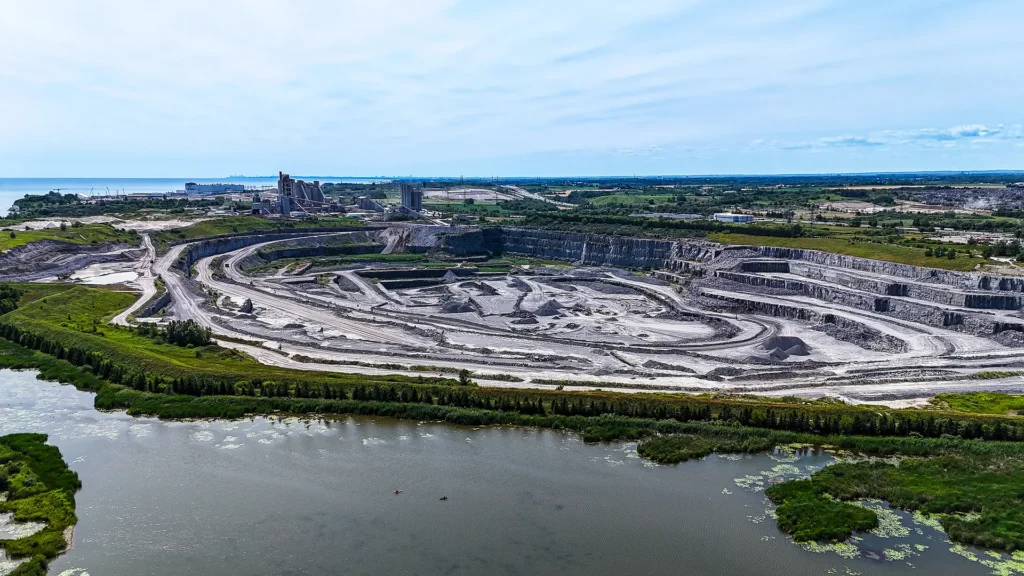
Located in Clarington, Ontario, the plant sits on the north shore of Lake Ontario. When St Marys Cement opened the plant in 1969, the site was chosen for its ideal geology, with raw material suited to cement manufacturing. The Greater Toronto Area happened to be one of the fastest-growing markets in North America, reachable by Great Lakes shipping from the same site, which turned out to be a considerable advantage. More than five decades later, that advantage still holds.
History
St Marys Cement was founded in 1912 in the limestone-rich town of St. Marys, Ontario, on the conviction that quality materials and honest work were the foundation of everything worth building. By the late 1960s, the original plant had helped build a post-war Canada, and the company was ready for its next chapter.
Bowmanville was that chapter. Opening in 1969 with improved kiln technology and direct access to Lake Ontario shipping, the plant brought jobs and economic stability to the town of Bowmanville and became part of the community, much like the original plant had in St. Marys.
The cement produced here has gone into some of the most recognized structures in the country, like Roy Thomson Hall, Maple Leaf Gardens, and the Darlington Nuclear Station. These landmarks still define the skyline and the region’s infrastructure, built with materials that came from this network and the people who run it.
Our history is the foundation for how we approach every order, every relationship, and every decision today. Lasting Results have been the standard we have been held to since our establishment in North America.
Reports
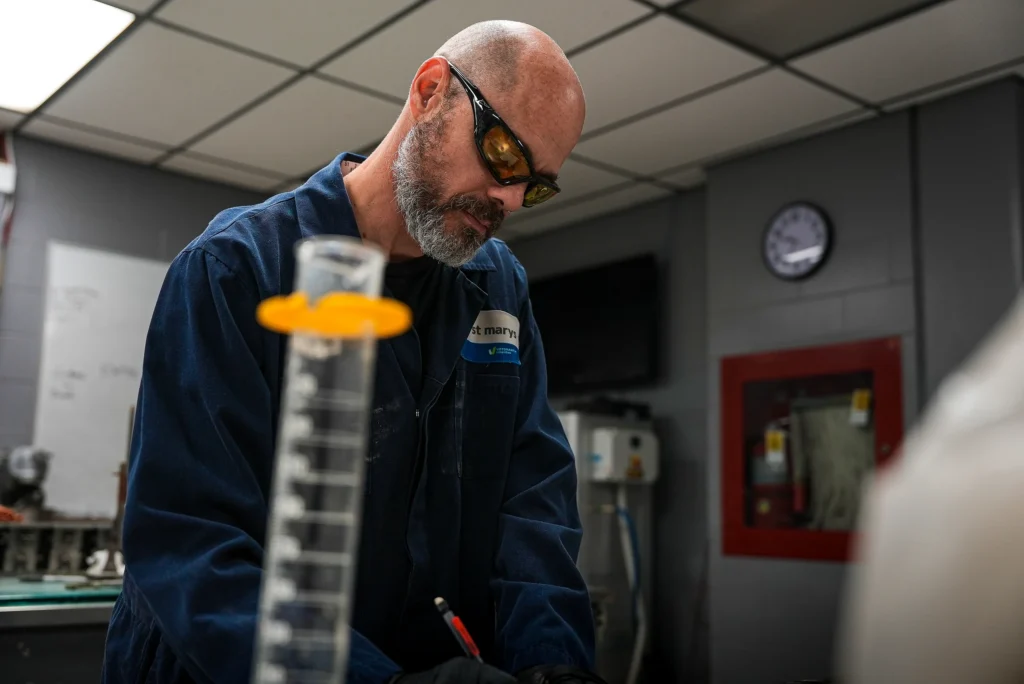
The Bowmanville plant publishes its environmental reports, annual compliance reports, assessments, and related documents here for the community to access. Transparency is not a policy at St Marys Cement. It is a practice, and this is part of how that practice works.
For a plant with more than a century of production behind it, these documents represent something specific: proof that the quality this operation has always claimed is now independently measured and publicly available.
Community Relations
St Marys Cement has always understood that a plant is part of its community, not separate from it.
In Clarington, our commitment shows up in concrete ways. The Bowmanville plant supports youth hockey through the Josh Bailey Classic Tournament, a community event that brings families together each year and keeps the sport accessible to young players in the region. The plant also partners with Habitat for Humanity to support local homebuilding, putting the same materials we produce professionally to work for families who need them most.
Our efforts reflect what Our VC Way calls a Sustainable Legacy: the belief that each of us, and each operation, contributes to the development of people, communities, and the environment. Clarington has supported this plant for generations, and we intend to pay them back with community initiatives.

Lower Carbon Fuels Initiative
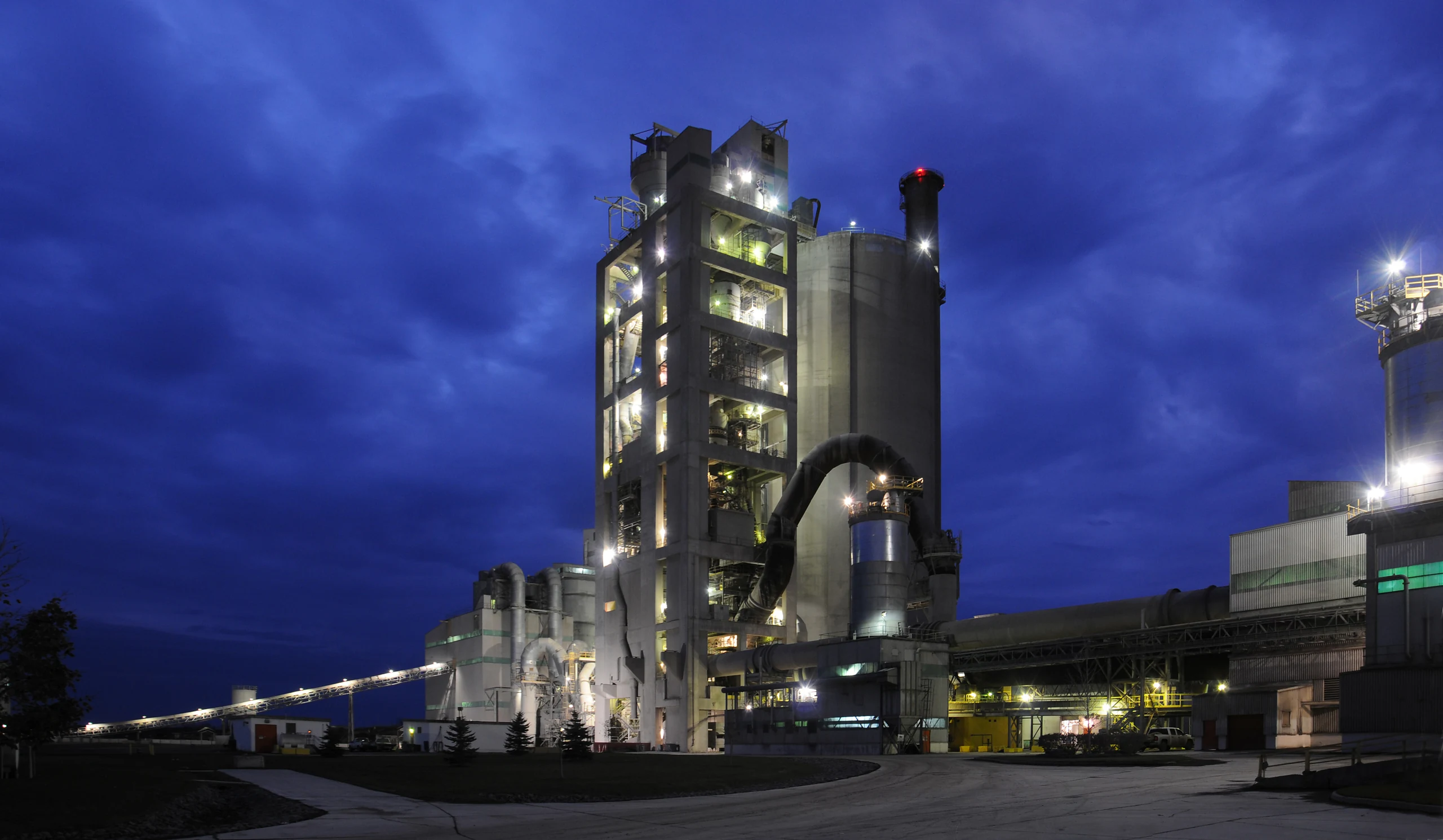
Working to reduce the carbon intensity of cement production is one of the most significant challenges facing the industry, and we are not waiting for the industry to solve it.
The Bowmanville plant is part of St Marys Cement’s active initiatives toward lower carbon production. A share of the traditional fossil fuels used in the kiln process, coal and petroleum coke, is being replaced with energy recovered from non-recyclable industrial byproducts through regulated co-processing. These materials, which would otherwise go to landfills, are processed under strict environmental controls and converted into a fuel source that can reduce both greenhouse gas emissions and waste.
 United Materials
 Superior Materials
 Prairie Materials
 Canada Building Materials
 VC Global